Refrigerant reclamation is emerging as a critical supply-chain mechanism for the HVACR sector as U.S. and global regulators accelerate the phase-down of high-GWP hydrofluorocarbons (HFCs), compelling the industry to treat recovered refrigerants as a strategic resource rather than a waste stream.
Background
The regulatory framework driving reclamation momentum is rooted in the American Innovation and Manufacturing (AIM) Act of 2020, which directs the U.S. Environmental Protection Agency (EPA) to pursue three parallel objectives: phasing down HFC production and consumption to 15% of baseline levels by 2036, maximizing reclamation and minimizing refrigerant releases, and facilitating the transition to next-generation low-GWP technologies. As of January 1, 2025, the EPA's HFC phasedown reduced allowances by 40% from the established baseline, tightening virgin refrigerant availability across the market.
The transition is also reshaping how recovered material is classified and handled. Beginning January 1, 2025, disposable refrigerant cylinders must be returned to certified reclaimers to remove the refrigerant heel, marking a formal shift toward closed-loop lifecycle management. The EPA has further proposed, under its Emissions Reduction and Reclamation Program, that reclaimed HFCs would be mandatorily required for servicing existing equipment starting in 2028 if that rule is finalized as written.
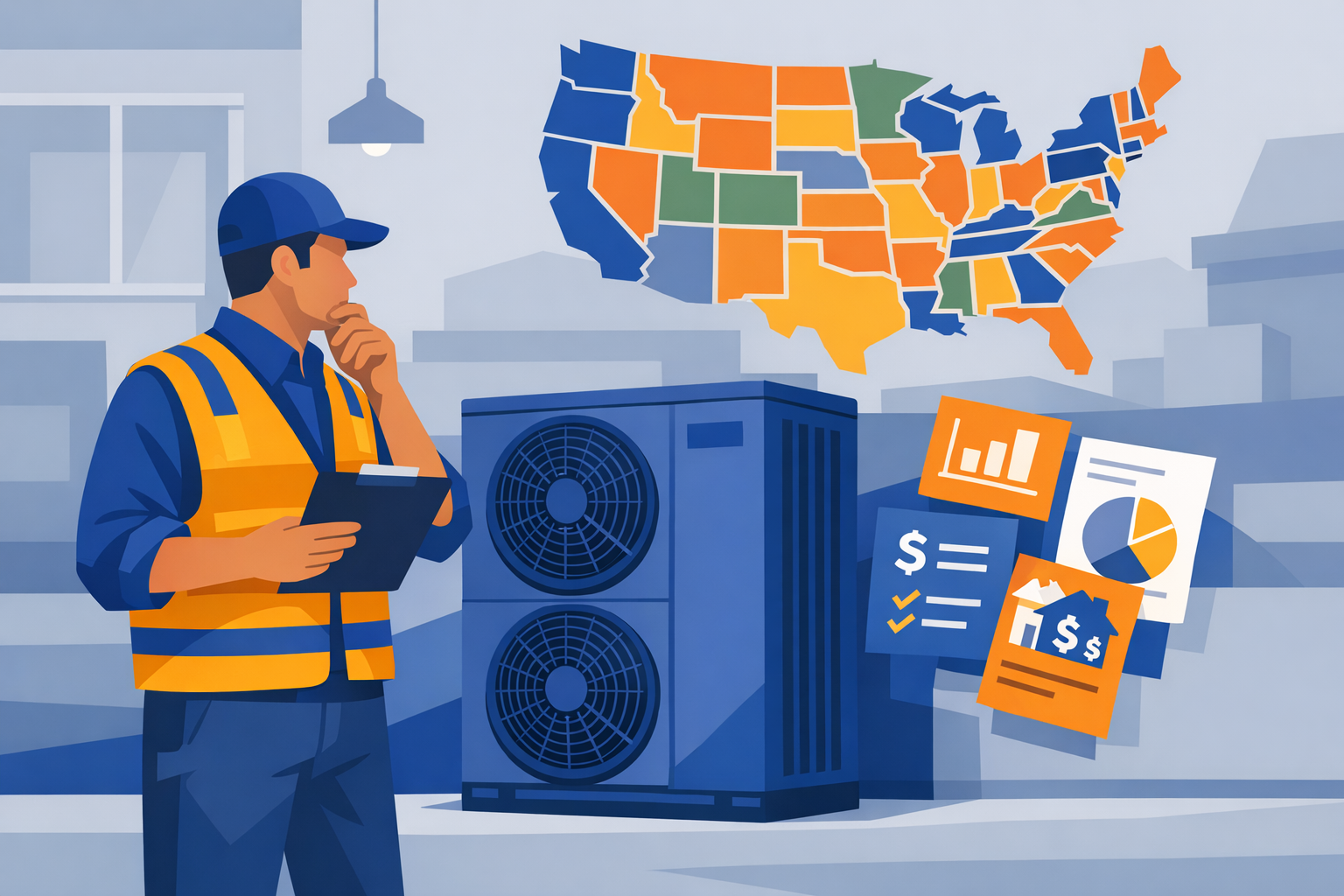
Internationally, Canada, the European Union, Japan, and the United Kingdom have each enacted GWP-based restrictions on fluorinated gases across specified HVAC and refrigeration sectors. Within the U.S., twelve states - including California, New York, Massachusetts, and Colorado - have enacted laws or regulations restricting HFC use in specific applications, creating a layered compliance environment for multi-site operators and contractors.
Details
Supply pressure from phase-down schedules has elevated the economic value of recovered refrigerant. According to industry analysis from ACHR News, as HFC production allowances shrink while the installed equipment base continues to grow, reclaimed refrigerant supply must increasingly compensate for reduced virgin production to service the tens of millions of existing systems still relying on high-GWP refrigerants. The R-22 phase-out offers a precedent: new R-22 has not been legally available since the end of 2019, yet millions of systems using it remain operational and are serviced entirely through reclaimed material.
Supply constraints are already visible in pricing data. Refrigerant supply chain disruptions have driven R-454B cylinder prices from approximately $345 in 2021 to over $2,000 in 2025, according to industry reporting. During peak cooling season, multiple contractors have reported being unable to source the low-GWP replacement at any price, underscoring the supply vulnerability that robust reclamation infrastructure aims to mitigate.
Quality control determines whether reclaimed material can re-enter the market as a serviceable product. AHRI Standard 700 establishes purity specifications for refrigerants regardless of source - new, reclaimed, or repackaged - covering contaminant levels, composition verification, and approved test methods. The EPA certifies reclaimers that adhere to the AHRI standard to ensure product quality. A further quality boundary takes effect through the EPA HFC Management Rule: effective January 1, 2026, no refrigerant may be sold or identified as reclaimed if it contains more than 15% virgin-regulated substance by weight.
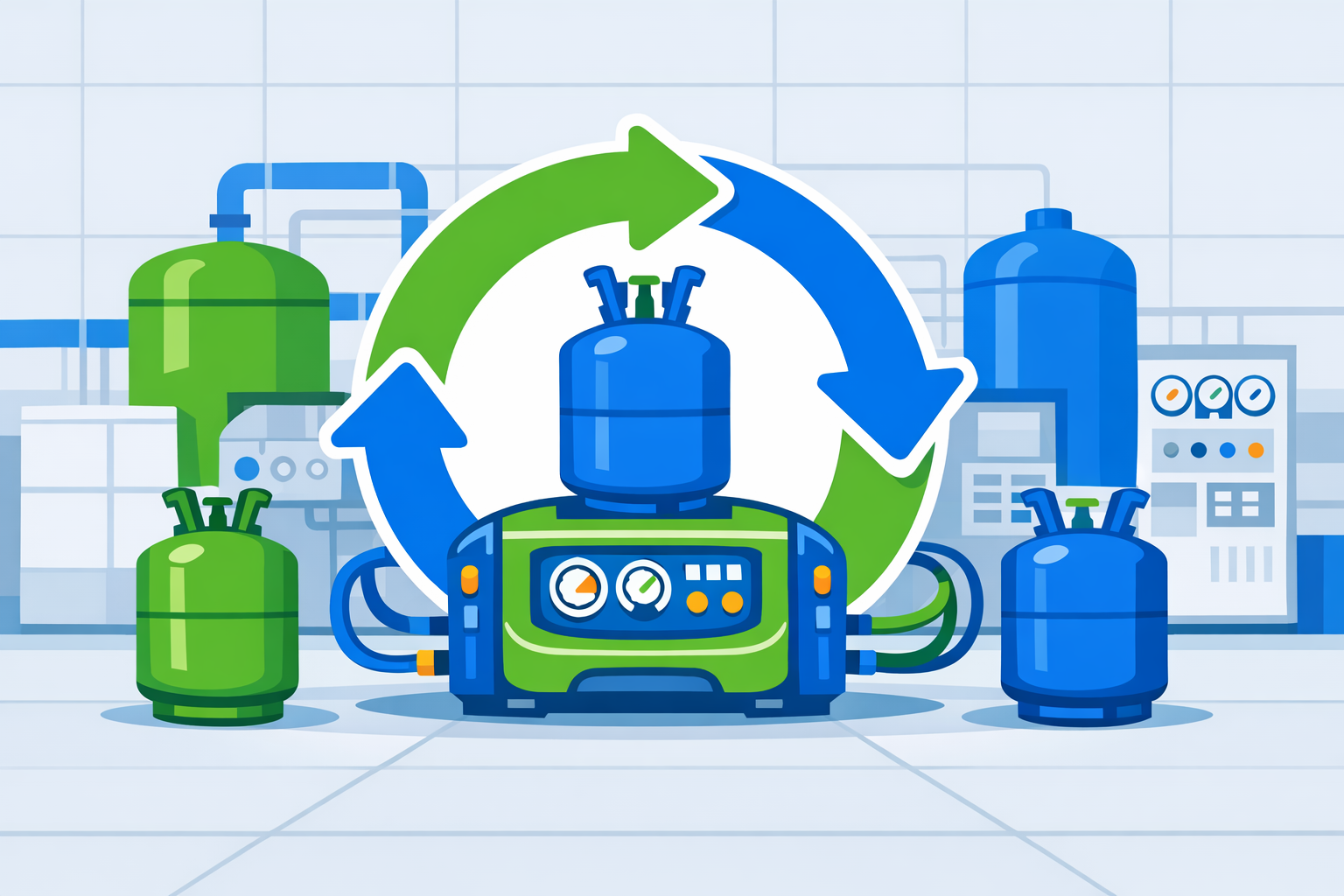
The reclamation process involves multiple stages - including filtration, drying, non-condensable gas removal, and distillation - before the refrigerant is returned to AHRI 700-grade purity and certified for reuse. Industry analysts note that refrigerants failing to meet AHRI 700 standards risk equipment damage and efficiency degradation, with direct cost implications for system owners and service contractors. According to A-Gas, a global reclamation operator, selling recovered HFCs can help operators offset the capital cost of transitioning to new low-GWP systems at end of equipment life.
Leak detection regulations add another dimension. Beginning January 1, 2026, the EPA's HFC Leak Repair and Management Rule requires mandatory leak detection and repair for owners and operators of appliances containing 15 pounds or more of HFC refrigerants with a GWP greater than 53. Systems with 1,500 pounds or more of refrigerant must also install automatic leak detection systems as of the same date. Noncompliance carries significant financial exposure: according to regulatory analysis, civil penalties under AIM Act authority have been cited at up to $44,539 per day per violation.
The EPA's proposed Emissions Reduction and Reclamation rule, if finalized as written, is estimated to result in significant GHG emissions reductions while also providing cost savings for industry and consumers.
Outlook
The EPA's reconsideration of its Technology Transitions Rule - published in October 2025 and subject to a comment period that closed November 21, 2025 - is expected to yield a revised final rule adjusting GWP thresholds for select subsectors, including cold storage, supermarket refrigeration, and semiconductor manufacturing. However, reclamation requirements and the HFC Management Rule operate under separate regulatory authority and were unaffected by the reconsideration. HVACR contractors and facility operators should treat reclamation compliance as a firm and accelerating obligation, independent of ongoing adjustments to equipment installation timelines.